
Ở ngay góc phía tây nam của Quảng trường Durbar tại Kathmandu, ngôi nhà gạch đỏ ba tầng mang tên Kumari Ghar đứng đó, vừa đầm ấm như một xóm nhỏ Newari, vừa mang thứ uy nghiêm bí ẩn làm người ta phải chùng bước chân khi bước qua ngưỡng cửa. Nơi đây là cung điện của Kumari, nữ thần sống của thung lũng Kathmandu.
Mảnh Hồn Vương Triều Trong Khoảng Sân Cổ
Được Quốc vương Jaya Prakash Malla xây dựng vào năm 1757, giữa những dâu bể chính trị và nguy cơ sụp đổ của vương triều Malla muộn, Kumari Ghar không đơn thuần là một công trình kiến trúc. Nó ra đời từ một lời tạ lỗi với thần linh, một nỗ lực níu giữ sự an bình cho vương quốc Kantipur cũ.
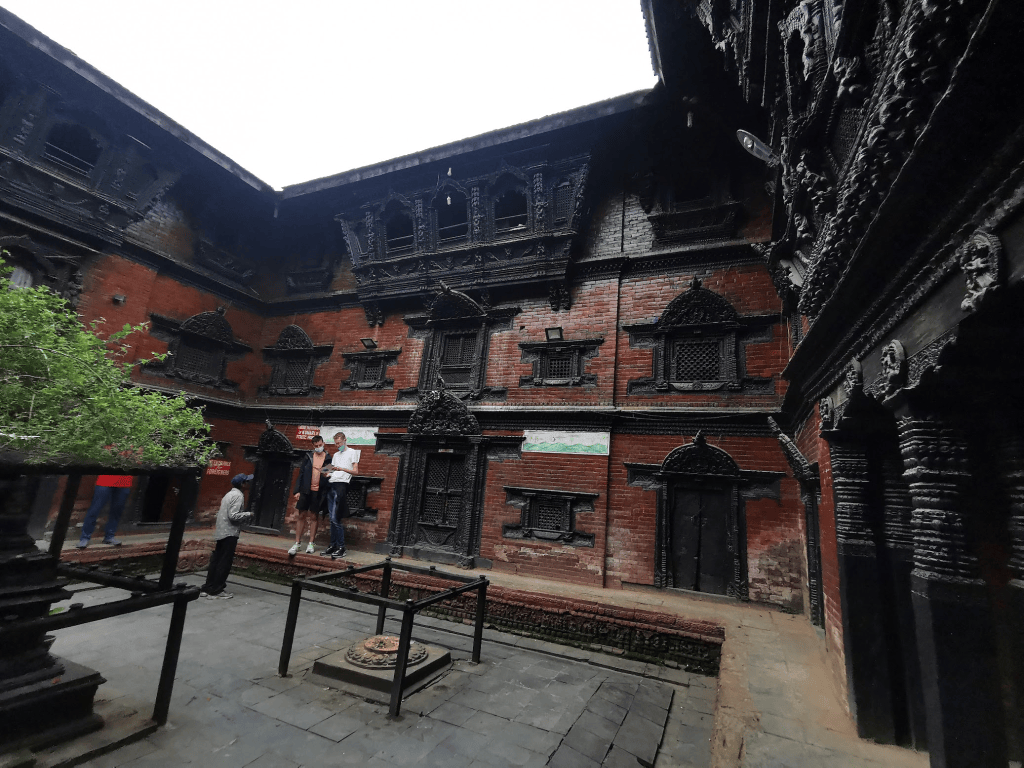
Trải qua bước ngoặt lịch sử năm 1768, khi Vua Prithvi Narayan Shah chiếm đóng Kathmandu và cúi đầu nhận lời ban phước từ Nữ thần sống, nơi đây đã trở thành giao điểm hòa hợp giữa Phật giáo Mật tông và Ấn Độ giáo, giữa quyền lực thế tục và niềm tin tâm linh bền vững của người Newari.
Bước qua vòm cửa thấp bằng gỗ đen bóng màu thời gian, cái ồn ào, bụi bặm của phố xá bên ngoài dường như bị gạt phắt lại sau lưng. Khoảng sân gạch nhỏ (Bahal) mở ra u nhã và khép kín. Bốn phía xung quanh là những ô cửa sổ chạm khắc hình rồng, phượng và các vị thần tỉ mỉ đến mức tưởng như từng thớ gỗ cổ đang tự kể câu chuyện của riêng mình.
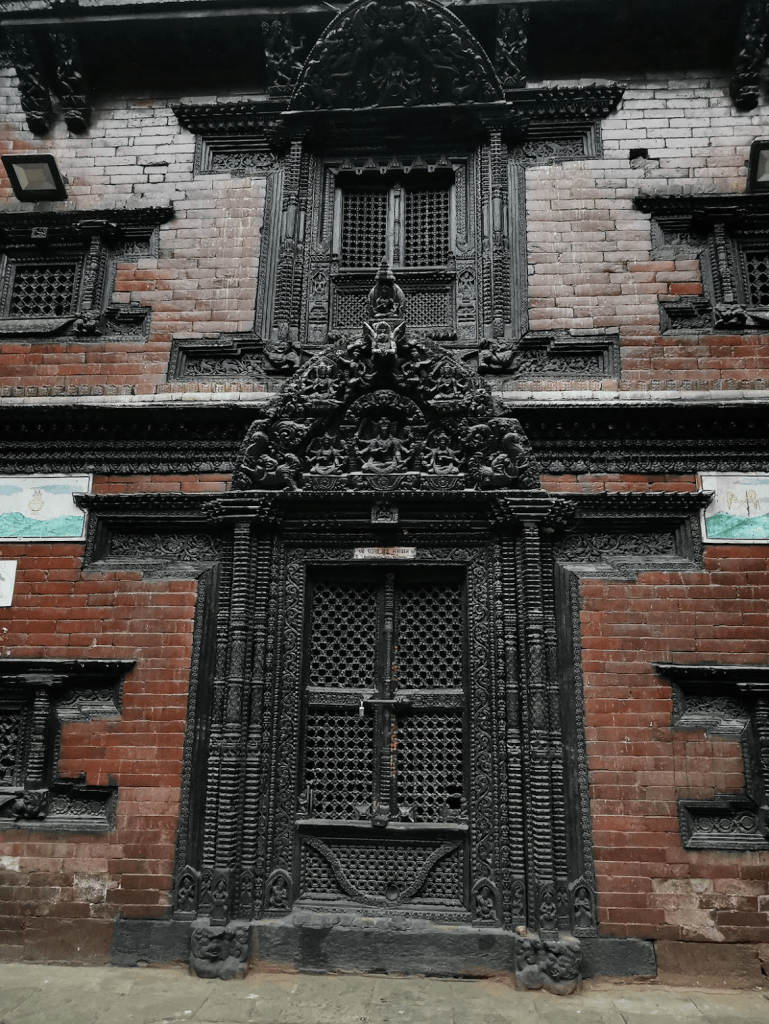
Mặt đất lát gạch nung nhuốm màu rêu phong. Nắng chiều hắt qua những tầng mái gỗ chạm, rải từng vệt sáng đốm vàng lên khoảng sân lạnh. Khách hành hương, người bản địa lẫn những kẻ lữ hành chỉ lặng lẽ đứng bệt dưới sàn đá, ánh mắt hướng lên khung cửa sổ dát vàng Deshay Maddu ở tầng hai, nơi Nữ thần sống thỉnh thoảng xuất hiện.
Khoảnh Khắc Của Sự Hiện Diện
Ở Kumari Ghar, chụp ảnh là điều tuyệt đối cấm đoán khi Nữ thần xuất hiện. Quy tắc ấy vô hình trung trả lại trọn vẹn sự thiêng liêng cho thị giác và tâm thức.
Khi tấm rèm gấm lay nhẹ và gương mặt của cô bé Kumari xuất hiện bên ô cửa gỗ cổ kính, cả khoảng sân chìm vào một sự tĩnh lặng tuyệt đối. Ánh mắt ấy, đôi mắt được trang điểm đường viền đen kéo dài sang hai bên thái xăm đầy huyền bí, không mang nụ cười, cũng chẳng hề có vẻ sợ hãi hay xao động. Đôi mắt của một đứa trẻ, nhưng lại chứa đựng sức nặng niềm tin của cả một dân tộc qua nhiều thế kỷ.
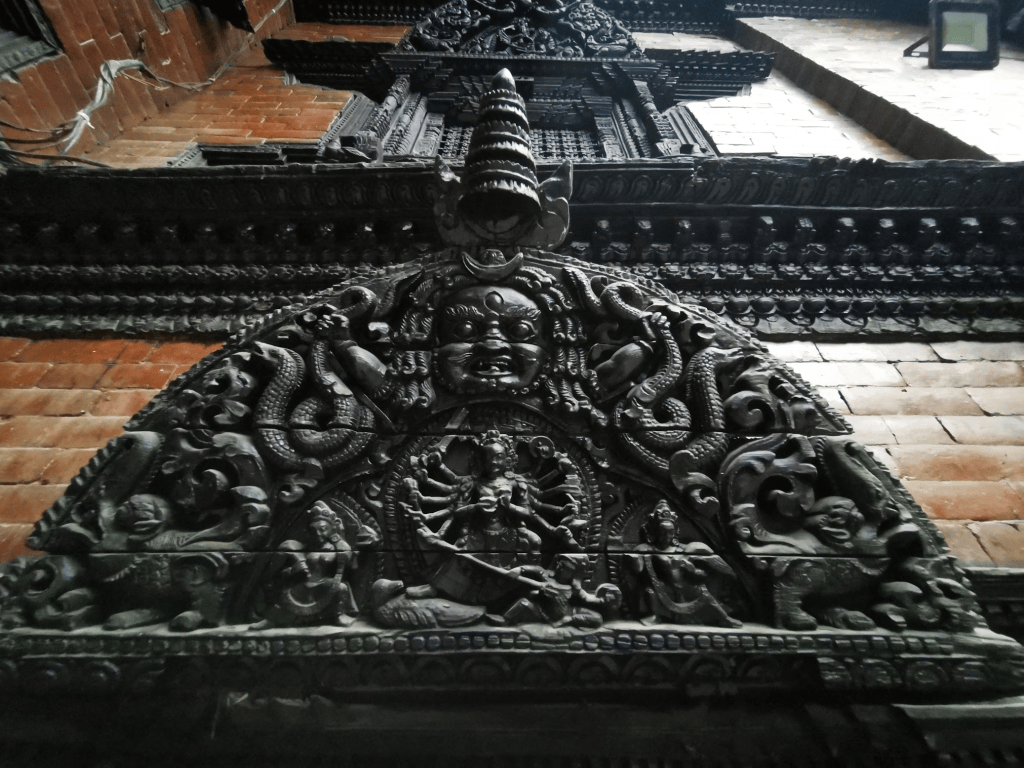
Khoảnh khắc ấy chỉ diễn ra trong vài mươi giây ngắn ngủi. Kumari nhìn xuống khoảng sân, rồi biến mất sau lớp rèm thẫm màu. Nhưng cái đọng lại trong lòng người đứng dưới khoảng sân gạch không phải là sự hiếu kỳ du lịch, mà là một cảm giác ngỡ ngàng trước ranh giới mong manh giữa cái hữu hình và vô hình, giữa đời thường và tâm linh.
Trải qua cả trận động đất tàn phá thung lũng năm 2015, trong khi nhiều đền đài xung quanh sụp đổ, Kumari Ghar vẫn đứng vững gần như nguyên vẹn, như một lời nhắc nhở kiên định về sự trường tồn.
Kumari Ghar không phô trương sự xa hoa của một hoàng cung. Nơi ấy giữ người ta lại bằng hương trầm phảng phất trong khoảng sân tối, bằng cái chạm của bước chân lên thảm gạch cũ, và bằng bài học về sự kính ngưỡng dành cho những điều không thể giải thích bằng lý trí.
ADoTG
Kumari Ghar, Where Faith Dwells in Timeless Shadows
Tucked into the southwestern corner of Kathmandu’s Durbar Square, the three-story red-brick sanctuary of Kumari Ghar stands in quiet grace—at once as intimate as a Newari neighborhood courtyard and as solemn as an ancient mystery. It is the residence of the Kumari, the Living Goddess of the Kathmandu Valley.
A Dynasty’s Soul Within an Ancient Courtyard
Commissioned in 1757 by King Jaya Prakash Malla amid political turmoil and the twilight of the late Malla era, Kumari Ghar was far more than an architectural feat. Born of a plea for divine atonement and a desperate hope to preserve peace in the kingdom of Kantipur, it remains a profound vessel of faith.
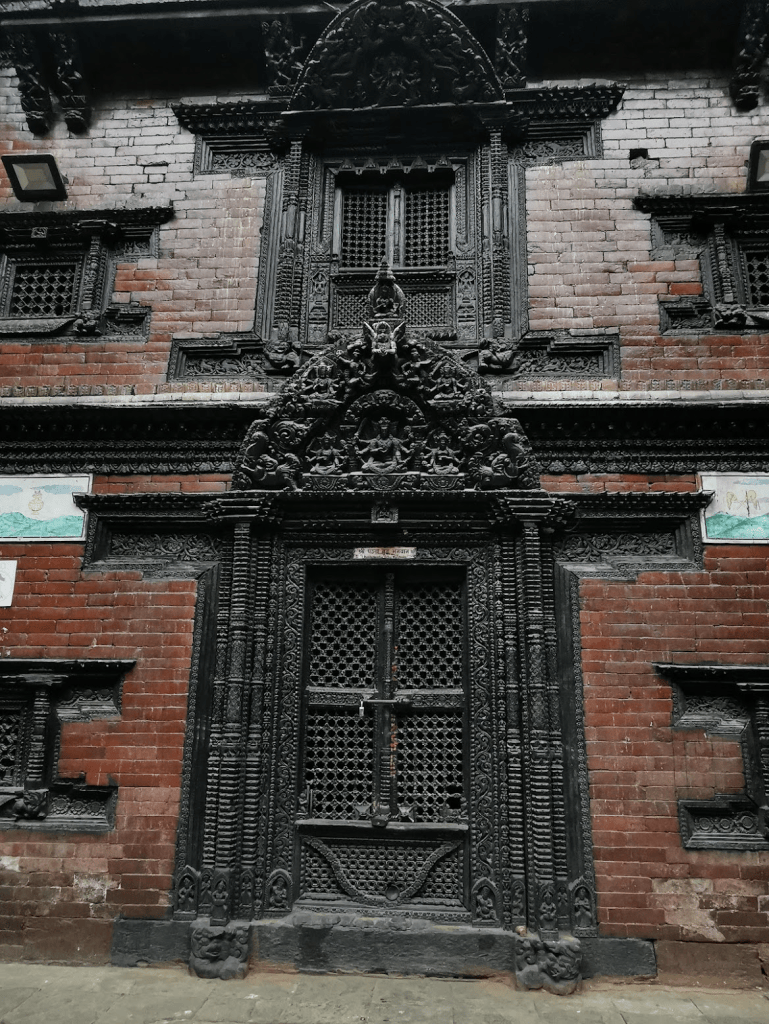
When King Prithvi Narayan Shah unified Nepal in 1768 and bowed to receive the Living Goddess’s blessing (tika), this courtyard solidified its role as a spiritual nexus—where Vajrayana Buddhism and Hinduism converge, and where temporal power yields to enduring reverence.
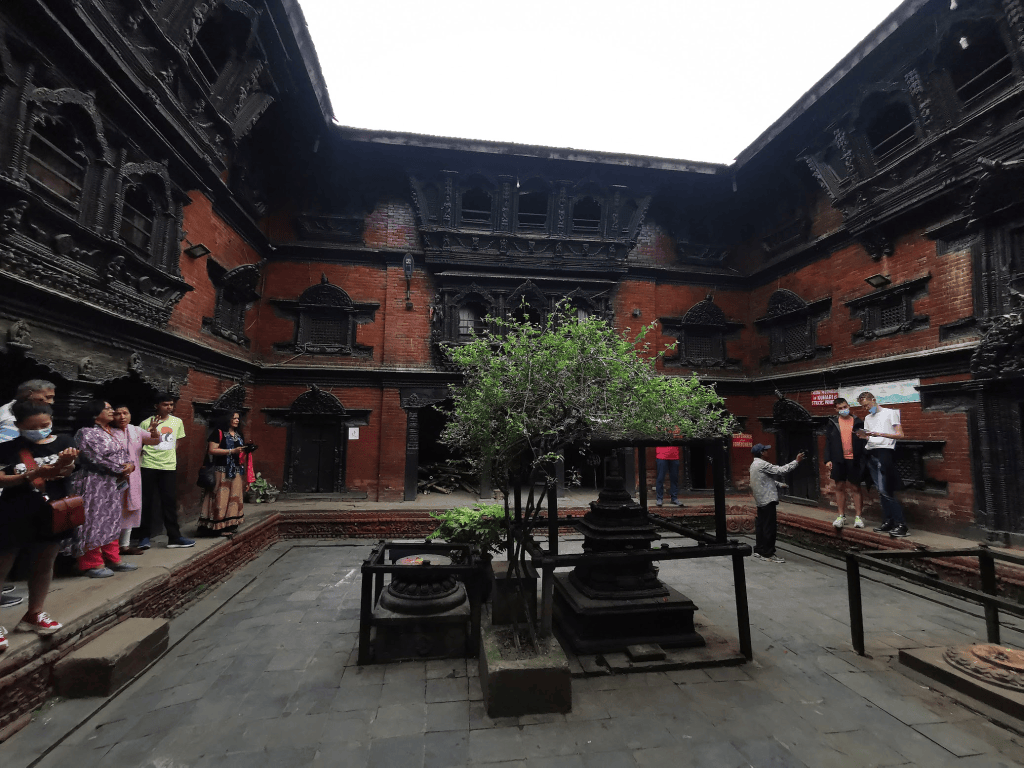
Stepping through the low, darkened timber threshold, the dust and din of the city instantly dissolve. A small brick courtyard (Bahal) unfolds in secluded elegance. Surrounding it on four sides are intricate wooden window frames carved with dragons, mythical creatures, and deities, as if the aged grain of the timber itself whispers stories of centuries past.

Moss-softened brick floors hold the chill of the shade, while rays of late-afternoon sun filter through carved eaves, casting scattered golden specks across the courtyard. Pilgrims, locals, and quiet travelers sit together on the cold stone, their eyes fixed on the gilded Deshay Maddu window on the second floor, where the Living Goddess occasionally appears.
A Moment of Pure Presence
Photographing the Kumari is strictly forbidden when she appears at her window—a rule that instinctively restores full sanctity to the mind and sight.
When the brocade curtain sways and the young face of the Kumari emerges behind the ancient frame, a profound stillness falls over the courtyard. Her eyes, painted with dramatic black winged eyeliner reaching toward her temples, hold neither a smile nor a trace of hesitation. They are the eyes of a child, yet they carry the weight of a nation’s devotion forged across generations.
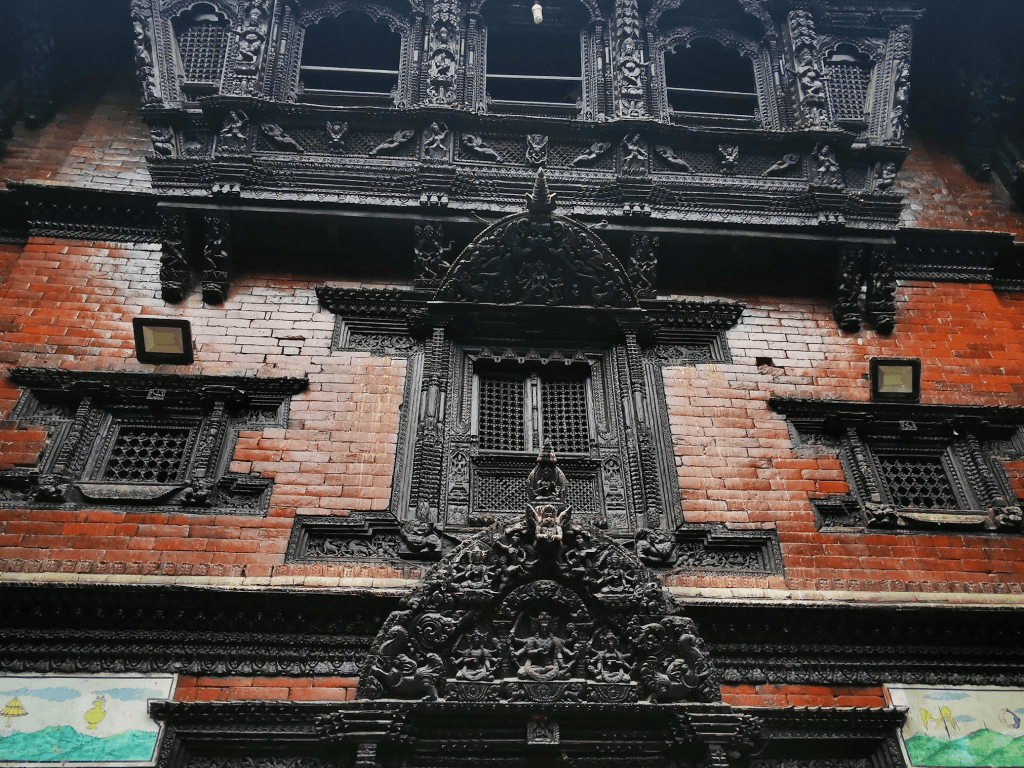
The encounter lasts only a few fleeting seconds before she retreats behind the heavy cloth. Yet what lingers in the heart is not tourist curiosity, but a quiet awe at the fragile boundary between the tangible and the sacred, the everyday and the divine.
Even through the devastating 2015 earthquake that leveled much of the surrounding Durbar Square, Kumari Ghar stood virtually unscathed—a quiet, steadfast testament to endurance.
Kumari Ghar makes no attempt to display royal grandeur. It holds you instead through the soft scent of incense drifting across a shadowed courtyard, the quiet touch of footsteps on worn brick, and a silent lesson in reverence for that which lies beyond reason.
ADoTG




















 Andy On The Go
Leave a comment