
By An Dang, Strategic Planning Director, Omega Media
“When growth no longer comes from ad spend, it must come from how you design experiences that make customers return—and spread the word.”
An Dang
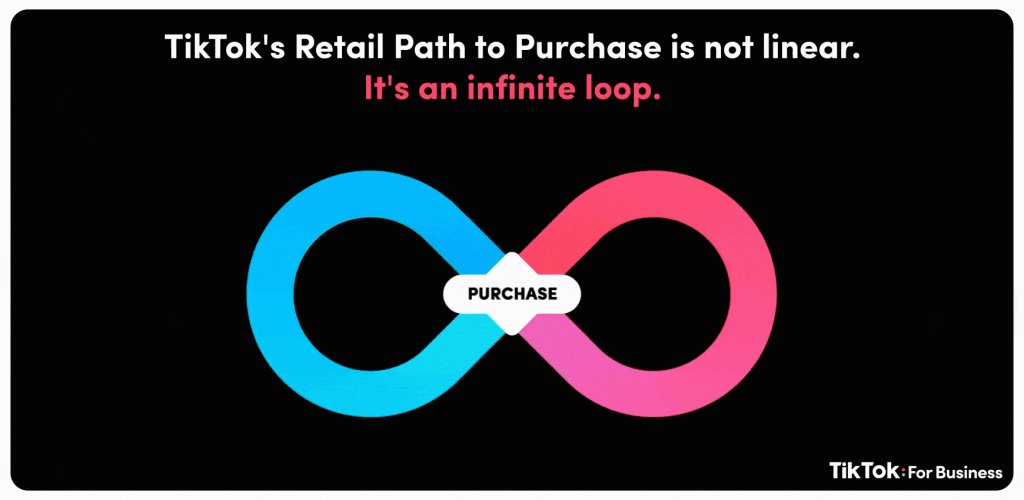
Sustainable growth is not the outcome of one loud campaign. It emerges from a system in which every user action creates the next action. In a strong Growth Loop, each new user is not only an outcome, but also an input, an agent who helps produce the next wave of growth.
Why the Funnel Isn’t Enough
The traditional funnel explains a linear journey from awareness to conversion—but it stops at the bottom. You must constantly refill the top to keep growing. A Growth Loop works differently: after a good experience, a user is nudged to return or to activate others, creating a repeating cycle.
How a Growth Loop Works
An effective loop commonly includes five components:
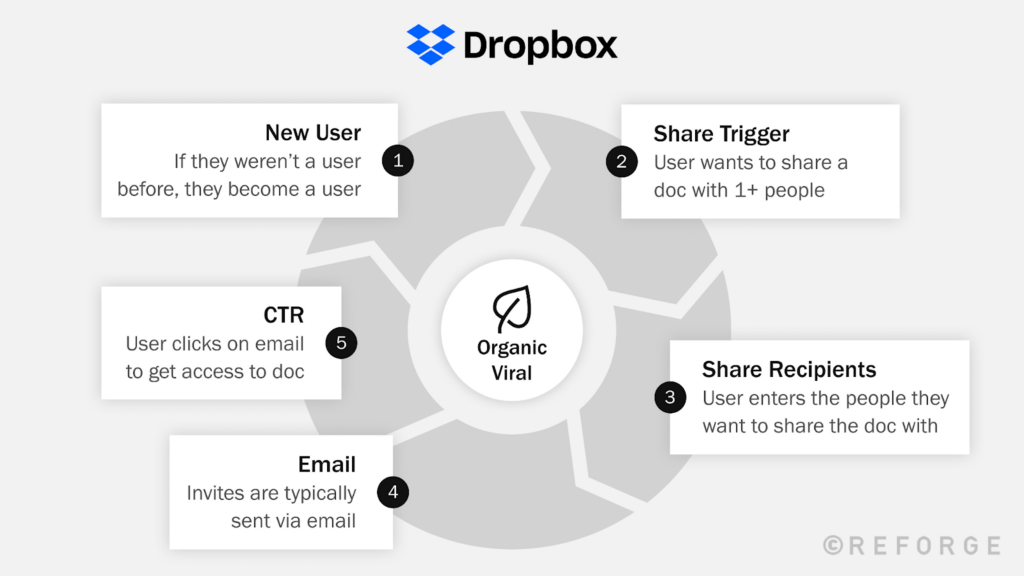
Trigger: The event that starts the cycle (e.g., share the app, complete a purchase, leave a review).
Action: The core behavior that creates value (invite, review, create content, reorder).
Reward/Value: A tangible payoff—benefit, points, discount, or a clearly better experience.
Reinforcement: Satisfaction or progress that motivates repetition (streaks, badges, faster checkout).
Propagation/Distribution: The behavior spreads to others or brings the same user back into the cycle.
Example: Buy → earn coins → redeem for discount → buy again → leave a review → earn more coins → share with friends → friends install → repeat.
Common Loop Archetypes
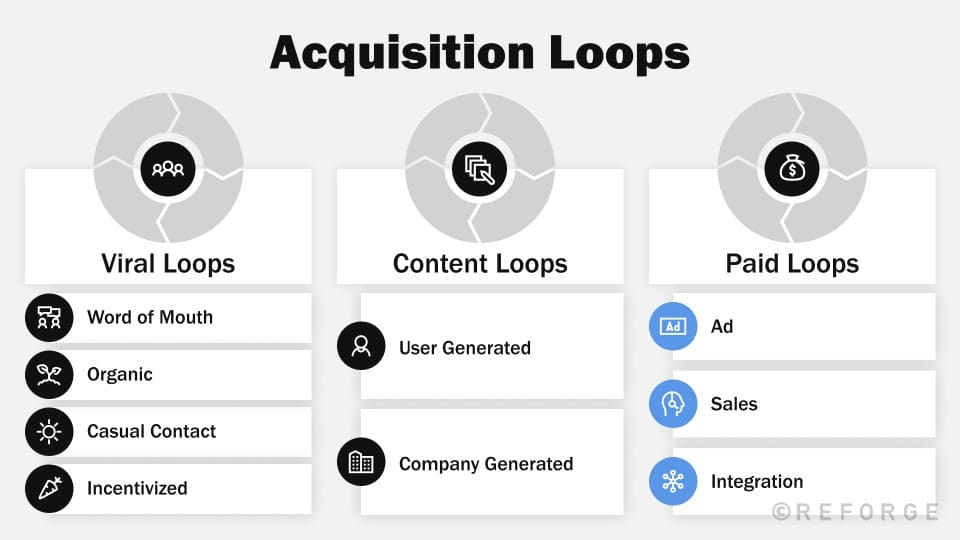
Viral loop: Dropbox, MoMo, ZaloPay, Techcombank — invite friends, both sides earn rewards.
Content loop: TikTok, YouTube — watch → create → share → attract new viewers/creators.
Usage loop: Notion, Spotify — the more you use it, the more value you get, the more you return.
Feedback loop: Duolingo, Shopee — reviews improve product trust and experience, which drives more usage.

Case Study: Shopee
Shopee doesn’t just sell, it stacks interlocking loops:
• Purchase → earn coins → redeem → purchase again
• Review → earn coins → seller credibility rises → more buyers → more reviews
• Invite a friend → both receive benefits → the new user invites again
Result: higher retention, lower paid media dependency, more durable growth.
How to Design a Growth Loop
1) Identify repeatable behaviors: Which actions, if repeated, truly move growth: referrals, reorders, reviews, or content creation?
2) Embed motivation in the experience: Not just notifications: users should feel gain, relief, or joy each time they repeat the action (e.g., coins for reviews).
3) Measure the loop, not just the endpoint: Track completion rate, time‑to‑repeat, and spread/viral contribution not only installs or one‑off conversions.
4) Start small, keep it clear, make it real: Ship the tiniest measurable loop and iterate. Example: The Coffee House—order in app → pick up in store → receive a coupon → return to app.
Conclusion
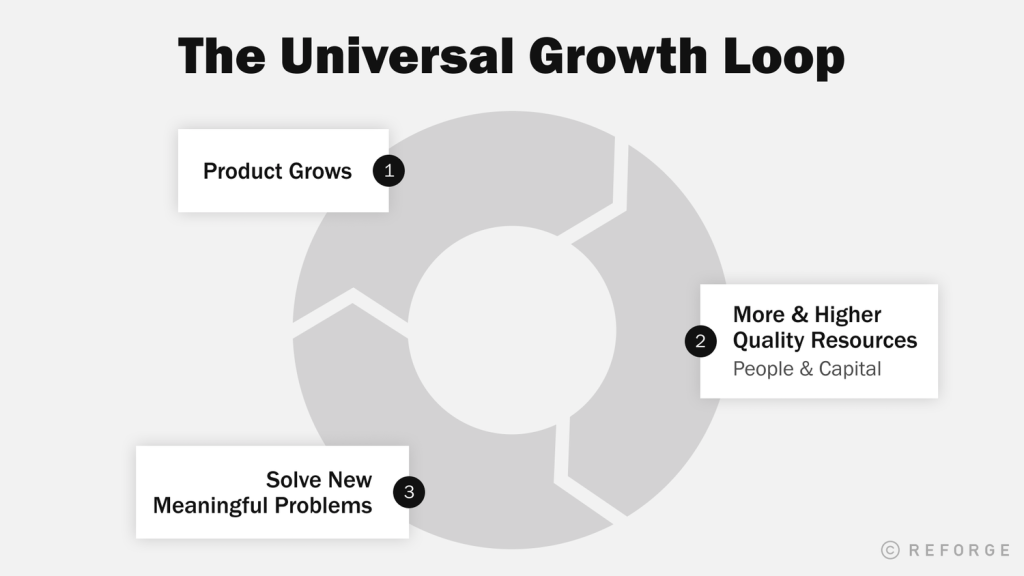
A funnel brings users in; a loop keeps them coming back—and brings others with them. A campaign can move numbers for two weeks. A well‑designed loop can move the business for two years. You don’t need to restart growth every month; design one clear loop, and let the system compound.
An Dang
Saigon, 24.07.2025










































 Andy On The Go
Leave a comment