
by Andy On The Go
Intro: this article was inspired by the post on SEA Heritage & History and then i decided to take a deeper look on each signature of Naga & Dragon across SEA countries. Pictures are searched & copied on internet publicly.

When I look at a dragon’s head or the spine of a Naga, I think about two things at once: how space is organized and how belief is organized. Architecture places sacred creatures at the crucial points of the journey from the everyday world into the sacred realm. Spirituality gives them meaning as guardians and guides, linking water and sky.
At Angkor, multi-headed Nagas line the stone bridges over the moats. Architecture lays out a straight axis into the temple, while the Naga turns the bridge into a cord joining the cosmic ocean and the sacred mountain. Each serpent head fans out like a small roof, signaling that you have crossed a threshold.

In Laos, the steps into the sim (the ordination hall) often have Nagas running along the balustrades. The sinuous body leads the eye and the feet, gathering the pilgrims’ energy and carrying it into the main hall. The softness of the curve quiets the noise outside.

In Thailand, the Sukhothai style refines the Naga into a slender, tall form. Its head lifts up along the temple roof, turning the roof ridge into a verse of scripture. The architectural line and the symbolic line meet in the air.

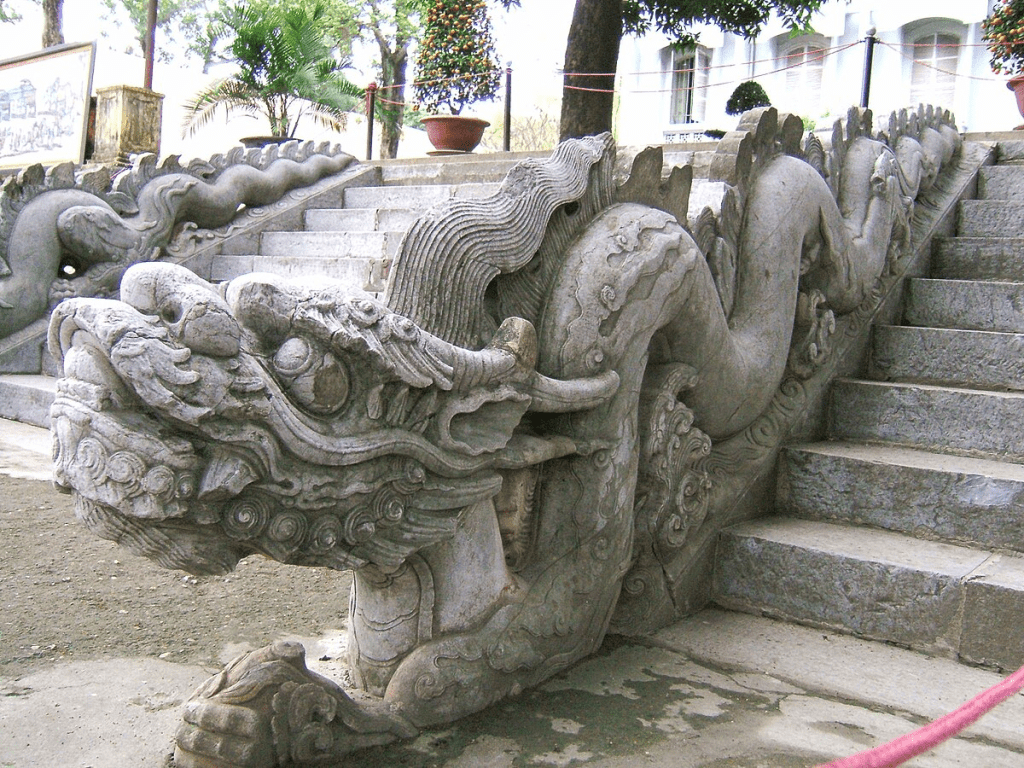
Ly-dynasty dragons in Vietnam are delicate, their bodies like flowing water, often placed on the roof ridge or on decorative tiles. The space stretches along the eaves; the dragon seems to remind viewers to lower their voices and slow down.
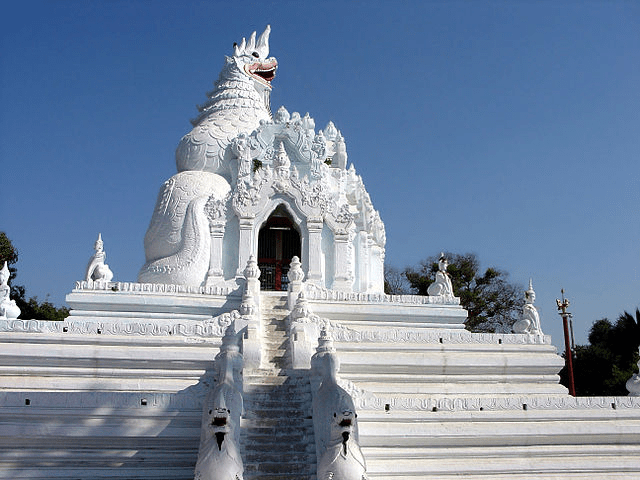
Myanmar favors large masses, finished in white lime. Gate guardians give a feeling of steadiness. From the courtyard looking up to the stupa, the eye follows the body of the figure and comes to rest at the top of the zedi (in Burmese, “stupa” or “pagoda”), where the idea of awakening is set in balance.
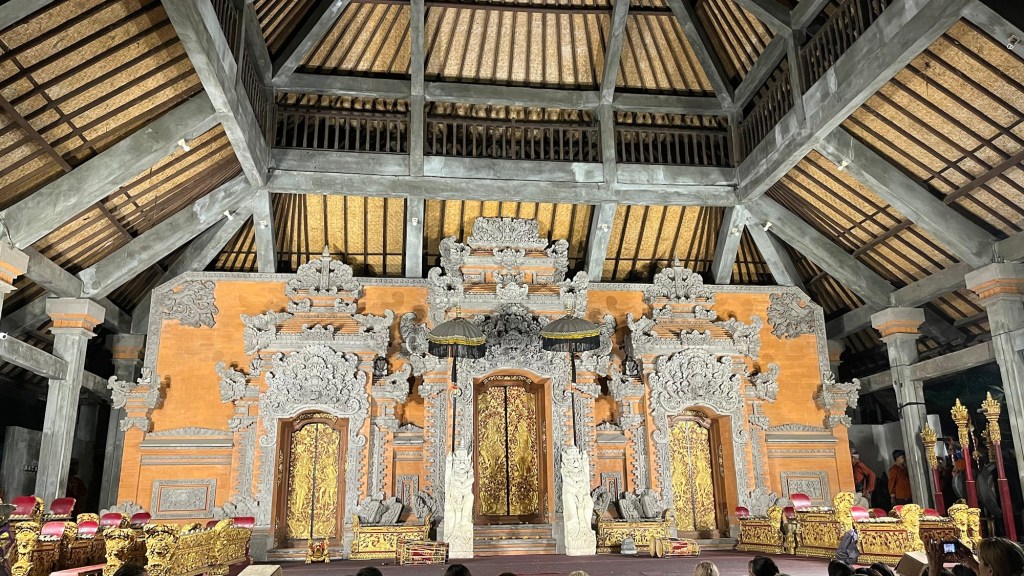
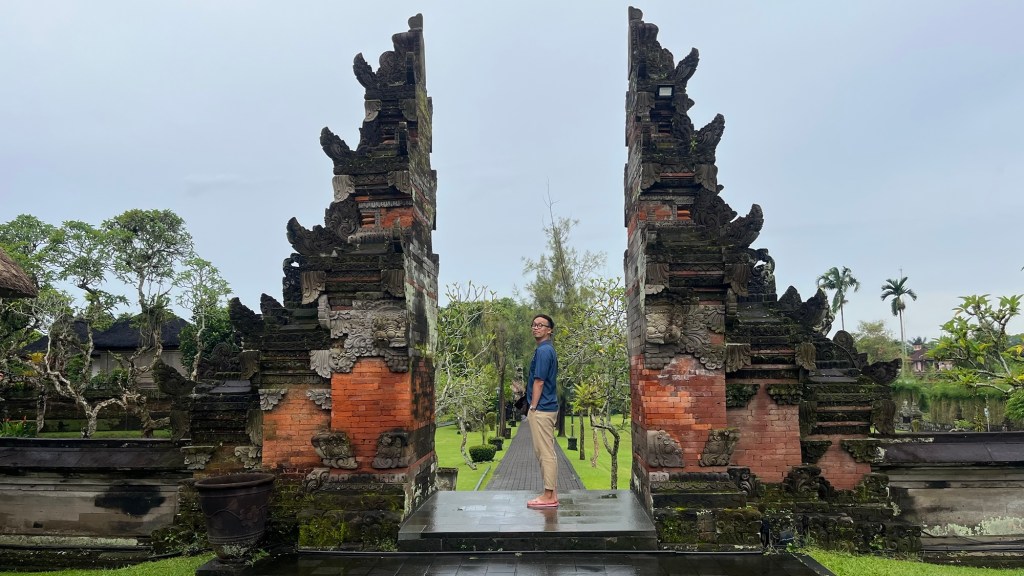
Bali loves deep carving. Dragons appear on split gateways and reliefs, at once solemn and festive. The volumes recall the relationship between mountain and sea in village planning.

Kelantan in Malaysia and Borneo in Brunei restrain the figurative image. Dragons and Nagas are transformed into ornamental motifs, running with the rhythm of timber and along the bargeboards. The spirit of protection is spoken in an abstract language, fitting an Islamic context.

For the Maranao in the Philippines, the naga motif weaves into okir ornament (geometric vegetal patterns and flowing lines inspired by leaves and vines, the folk motifs of Moro and Lumad peoples in the southern Philippines) on beams and console brackets, turning load-bearing members into protective signatures for the home.

In every case, dragons and Nagas stand at places of transition: moat edges, stairways, eaves, gateways. Architecture needs anchors to guide movement and clarify the axis. Spiritual life needs guardians to filter the clamor of the world. These sacred beings do both at once.
The Naga is tied to water and the memory of rivers. The dragon is tied to the sky and the impulse to rise. When these two layers of meaning meet in a single work, the visitor does more than pass through space. They move through a process of the mind: cleansing, settling, then looking upward.
Read a temple or shrine by noting where the figures sit along the main axis. Trace the curve of the balustrade and the roof to see how the architecture conducts air and people. Touch the materials to feel time layered there: sandstone worn smooth, cool lime plaster, wood darkened where many hands have rested. Listen for the change in sound as you cross the threshold. That is when space shifts and belief speaks. Watch how wind and shadow travel across the dragon’s scales. Breathe in slowly. Breathe out slowly. When the body is still, you see that architecture is not only for looking. It is working with your heart. And Naga and dragon are a discreet blueprint of faith, placed exactly where they lead us from noise into quiet.
Saigon, October 17, 2025








 Andy On The Go
Leave a comment