
by An Dang, Strategic Planning Director, Omega Media
Design Thinking for Business Growth: Author of the book: Michael Lewrick
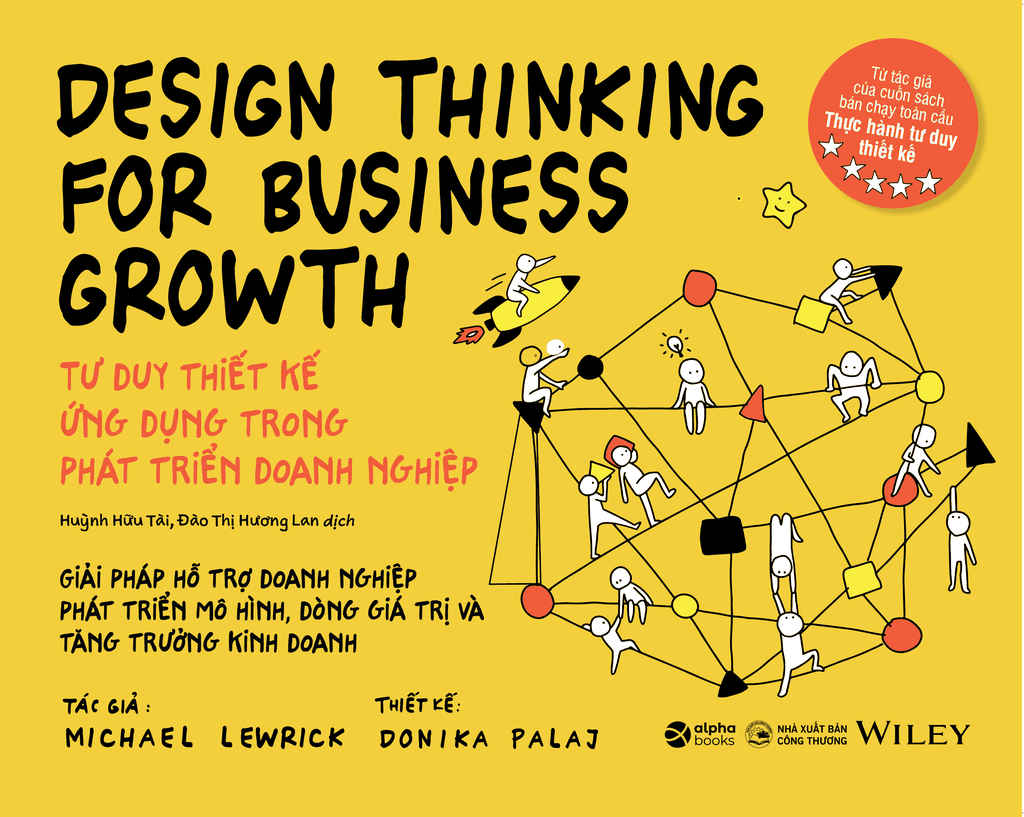
“When growth doesn’t start with a campaign, but with understanding people.”
An Dang
In a constantly shifting market, every organization talks about growth. But not every organization asks the right question: “Are we solving the right problem or just the problem we assume exists?”
The book Design Thinking for Business Growth offers a set of lenses that brings companies back to the core: Sustainable growth doesn’t come from selling better; it comes from understanding people more deeply.
Below are seven thought-provoking lessons:
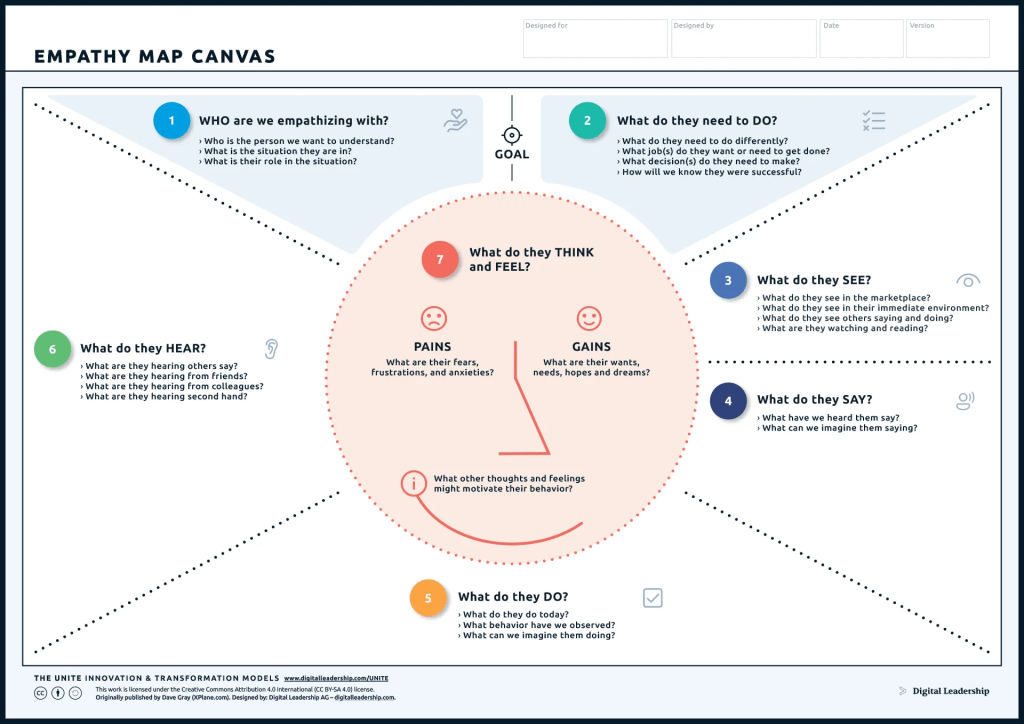
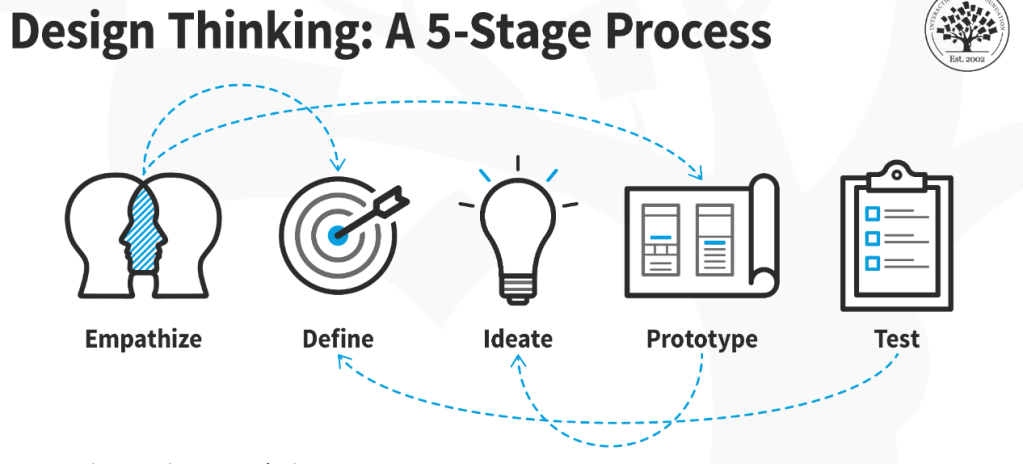
1) Empathy is the starting point, not a luxury
Design Thinking begins with a simple principle: you can’t improve what you don’t understand specifically, why people behave the way they do. Empathy isn’t “soft”; it’s an organizational capability to listen, observe, and connect with customers’ underlying motivations.
“Not everyone buys because of features. Not everyone leaves because of the price. Empathy helps you see the real reason often beyond the dashboard.”
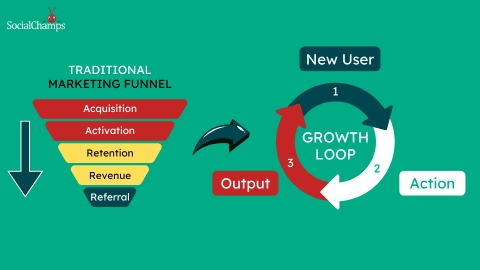
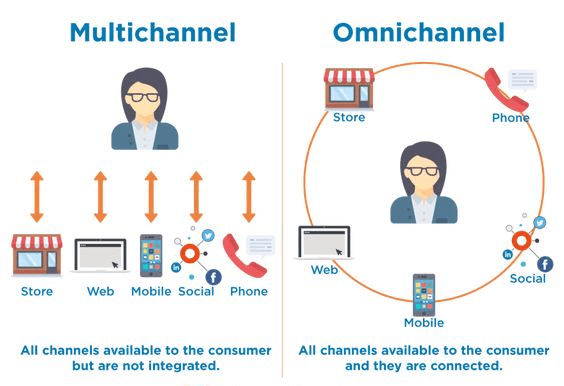
2) Funnels are one-way. Growth is a loop.
A funnel describes a linear journey. But the world is no longer linear. Users come, leave, return, recommend, complain, and come back again.
Design Thinking pushes teams to design loops, the Infinity Loop: a good experience leads to sharing, which brings new customers, which then leads to the next good experience.
Growth comes not from a one-way push, but from a positive feedback cycle.
3) Solving the wrong problem is the biggest waste
A flawless campaign built on the wrong problem is still a failure.
“Identifying the right problem matters more than crafting a creative solution.”
If users don’t fill out a form, the issue isn’t necessarily bad UI—maybe they don’t know what they’ll get, or they don’t trust you, or they simply have no need. Once you pinpoint the right problem, the solution is often not that complex.
4) Learn faster, not just ship faster
Instead of over-investing in a “perfect” solution, Design Thinking encourages shipping early, failing small, and learning hard. Not everything needs to be tested but no hypothesis is right until it’s validated by real user behavior.
5) Design Thinking is not a UX privilege
This is where many organizations misunderstand it: Design Thinking isn’t just for designers. It’s a decision-making tool that applies to:
- Designing customer service processes
- Optimizing marketing campaigns
- Restructuring membership/loyalty programs
- Even designing the way your weekly meetings run
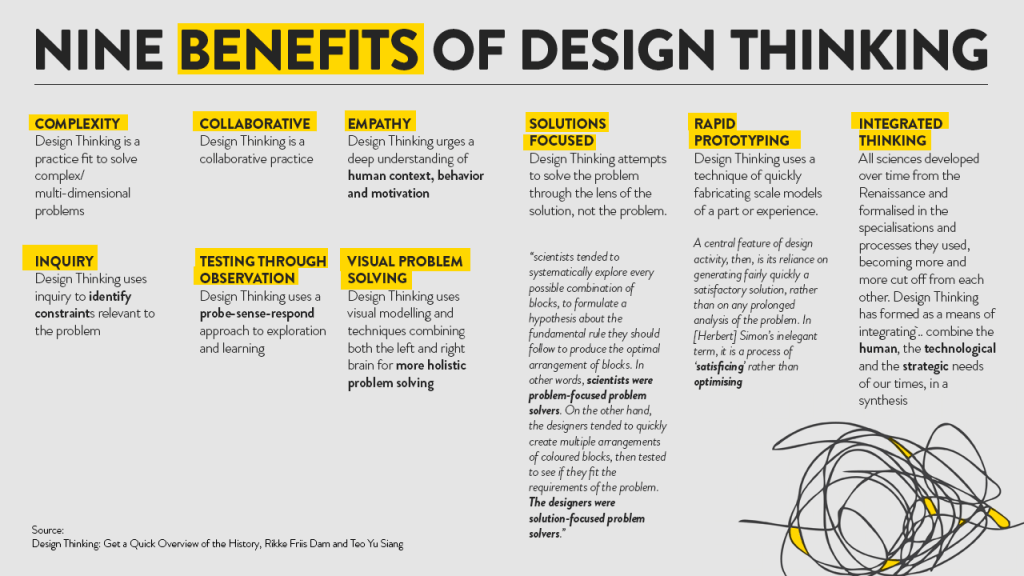
“Design Thinking enables organizations to think like designers but act like entrepreneurs.”
An Dang
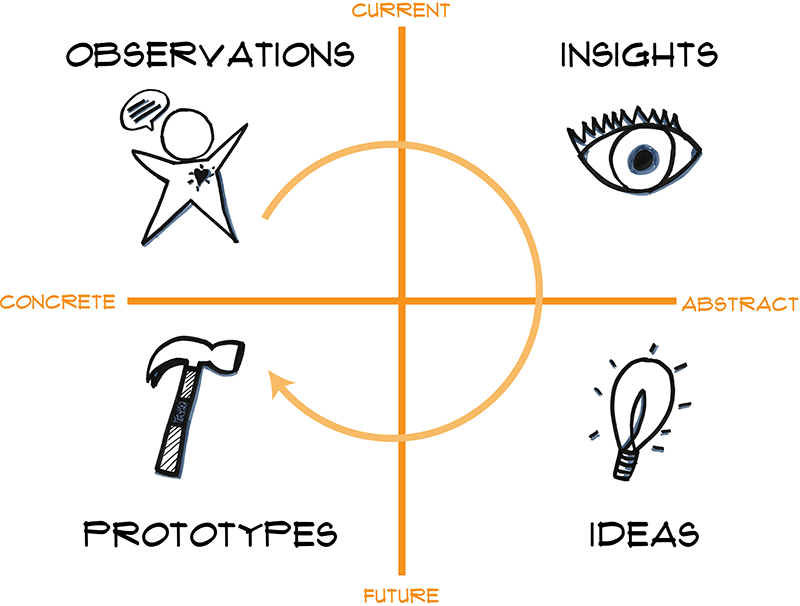
6) Insight comes from observation, not just from dashboards
“Data tells you what is happening. Only observation reveals why”
The book recommends pairing data analysts with customer researchers in the same growth loop. A growth loop is a repeatable, self-sustaining system: each user action creates value that attracts new users or increases the lifetime value of existing ones without the constant paid push of a traditional funnel. One person studies the numbers, one talks to real people. Together, they answer: What do people actually need, think, and feel?
7) Growth doesn’t start with “What should we do?”
It starts with: “What problem are users facing?” Most failed growth campaigns don’t fail because of poor execution. They fail because of the wrong objective.
Design Thinking takes you back to the fundamentals:
- What do users actually want?
- Where are they stuck?
- What capabilities do we have to address that?
Only when these three intersect does growth become likely and repeatable.
Closing
Design Thinking isn’t a replacement for growth frameworks. It’s a lens to pinpoint where to innovate, when to prototype, and how to coordinate the right people. The biggest lesson I took from the book:
“Growth isn’t about what you do to the market; it’s about how you learn from it and respond with more empathy and creativity.”
If you’re stuck on growth, you might not need another campaign. You might need a different way of seeing.
Saigon, July 23, 2025
Sources:
Book: https://rudyct.com/InovBis/Design%20Thinking%20for%20Business%20Growth%20How%20to%20Design%20and%20Scale%20Business%20Models..2022.pdf














































 Andy On The Go
Leave a comment